Parenting Tips & Childcare Services
Baby and Infant Care
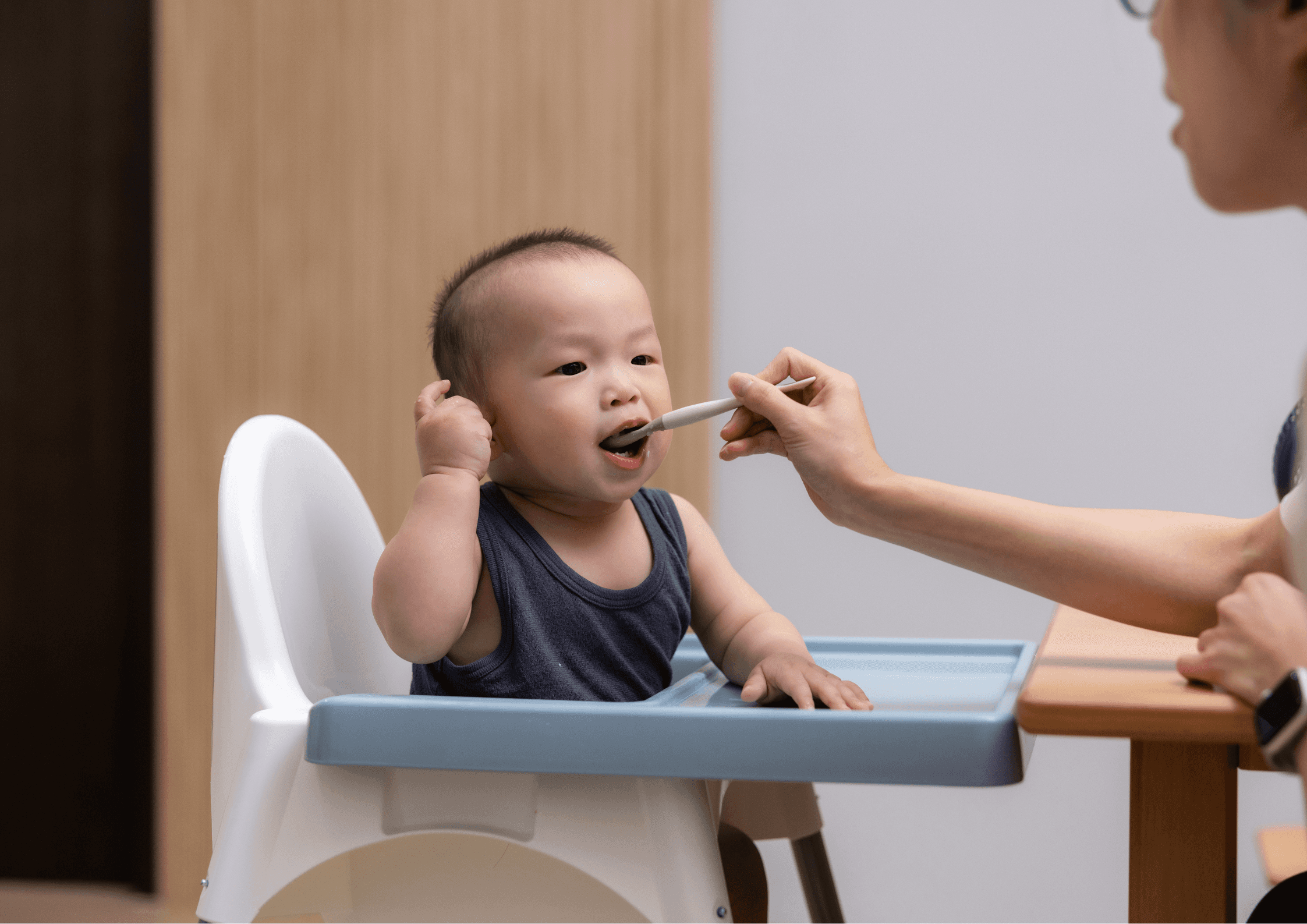
Introducing your baby to their first solid foods is an exciting milestone. As a parent, you want to ensure this transition is smooth, nutritious, and enjoyable for your little one. There are several important factors to consider when making your baby’s first foods. This blog post will guide you through the key considerations to help you and your baby embark on this new journey successfully.
When to Start Solid Foods
The timing of introducing solid foods is crucial. Most paediatricians recommend starting solids when your baby is around six months old. By this age, babies typically show signs of readiness, such as:
Sitting up with minimal support: This indicates good neck and head control.
Showing interest in food: Your baby might watch you eat, reach for your food, or open their mouth when food approaches.
Loss of the tongue-thrust reflex: This reflex, which pushes food out of the mouth, diminishes around six months, making it easier for your baby to eat solids.
Choosing the Right First Foods
Selecting the right first foods for your baby is essential for their nutrition and development. Here are some great options to start with:
Single-grain cereals: Iron-fortified cereals like rice or oatmeal are often recommended as they are easy to digest and unlikely to cause allergies.
Pureed vegetables: Start with mild-flavored veggies like sweet potatoes, carrots, or peas.
Pureed fruits: Apples, pears, and bananas are excellent choices due to their natural sweetness and smooth texture.
Protein-rich foods: Pureed meats, beans, and lentils can be introduced after initial cereals, fruits, and vegetables.
Preparing Baby’s First Foods
When making your baby’s first foods, it’s important to ensure they are safe, nutritious, and easy to consume. Here are some tips:
Keep it simple: Start with single-ingredient purees to identify any potential allergies.
Texture matters: Ensure the food is smooth and free of lumps to prevent choking. You can achieve this by pureeing or mashing thoroughly.
Introduce one food at a time: Wait three to five days before introducing a new food to monitor for any allergic reactions.
Avoid added salt and sugar: Babies’ kidneys are not fully developed, and their taste preferences are forming, so it’s best to avoid added salt and sugar.
Feeding Tips for Success
Feeding your baby solids can be an enjoyable experience with the right approach. Here are some tips to make the process smoother:
Use the right tools: Small, soft-tipped spoons are ideal for feeding solids to your baby.
Be patient: It may take several tries before your baby accepts a new food. Keep offering it without pressure.
Watch for cues: Pay attention to your baby’s hunger and fullness cues. If they turn their head away, close their mouth, or push food away, they might be full or not ready.
Make it fun: Use bright-colored bowls and spoons, and engage with your baby during feeding times to make the experience enjoyable.
Allergies and Safety Considerations
Introducing new foods comes with the risk of allergies. Here’s how to manage and minimize risks:
Introduce allergenic foods early: Research suggests that introducing allergenic foods like peanuts, eggs, and fish early (around six months) can help reduce the risk of allergies. Consult your paediatrician for personalized advice.
Monitor for reactions: Symptoms of food allergies include rash, vomiting, diarrhea, and swelling. If you notice any of these signs, stop feeding the suspected food and consult your doctor.
Avoid honey: Do not give honey to babies under one year old due to the risk of botulism.
Making Meal Time Enjoyable
Creating a positive mealtime atmosphere can help your baby develop healthy eating habits:
Set a routine: Try to establish regular meal times to create a sense of routine and security.
Eat together: Babies learn by watching you. Eating together as a family can encourage them to try new foods and develop good eating habits.
Stay relaxed: Mealtimes should be stress-free. If your baby rejects food, don’t force it. Try again later.
Conclusion
Introducing your baby to their first solid foods is an important step in their development. By considering the right timing, choosing nutritious options, and preparing and feeding them safely, you can make this transition a positive experience for both you and your baby. Remember to consult your paediatrician with any concerns and enjoy this exciting journey of discovering new tastes and textures with your little one.
Everything you need to know about joining Aunty SG as a babysitter or confinement nanny.