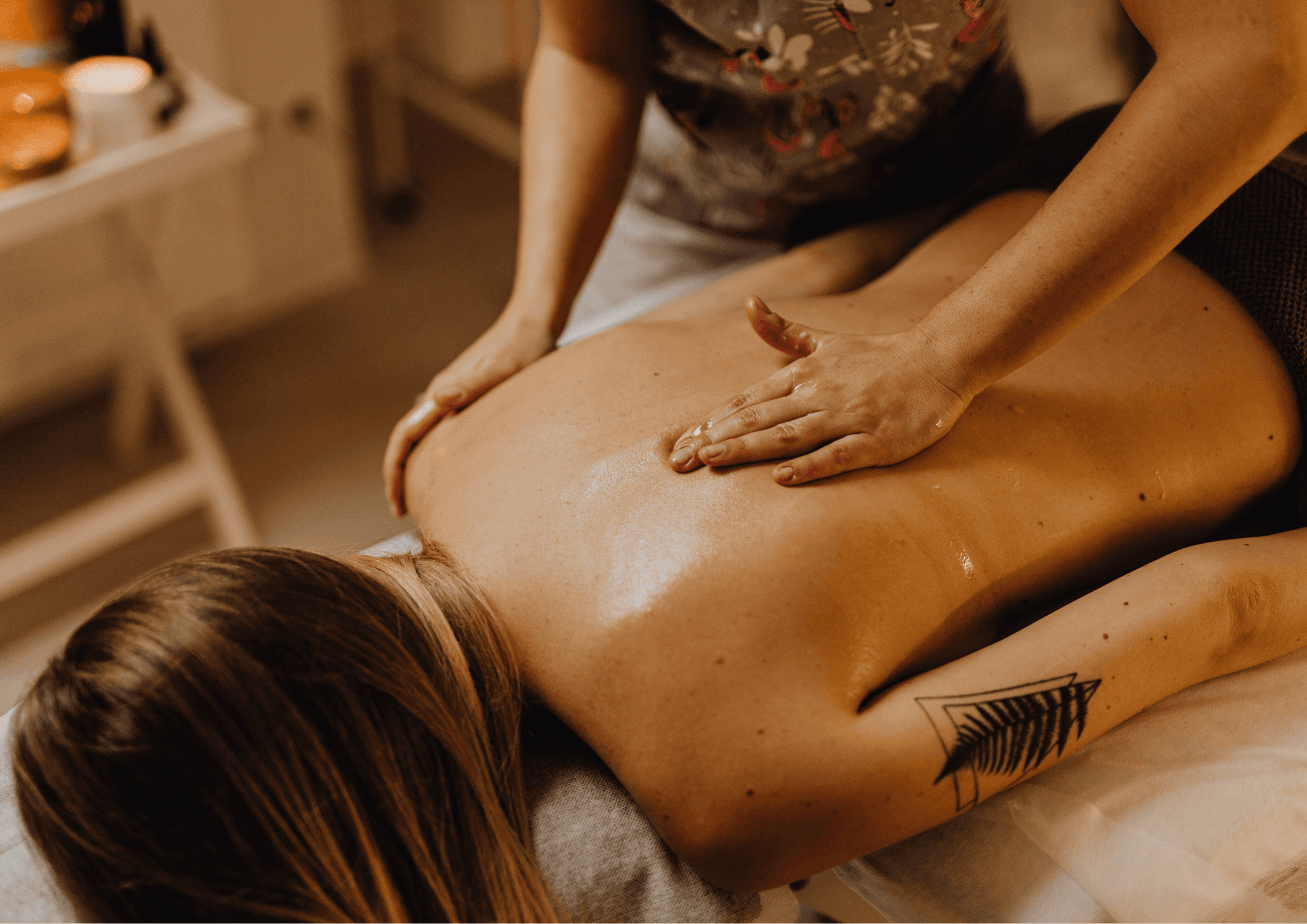
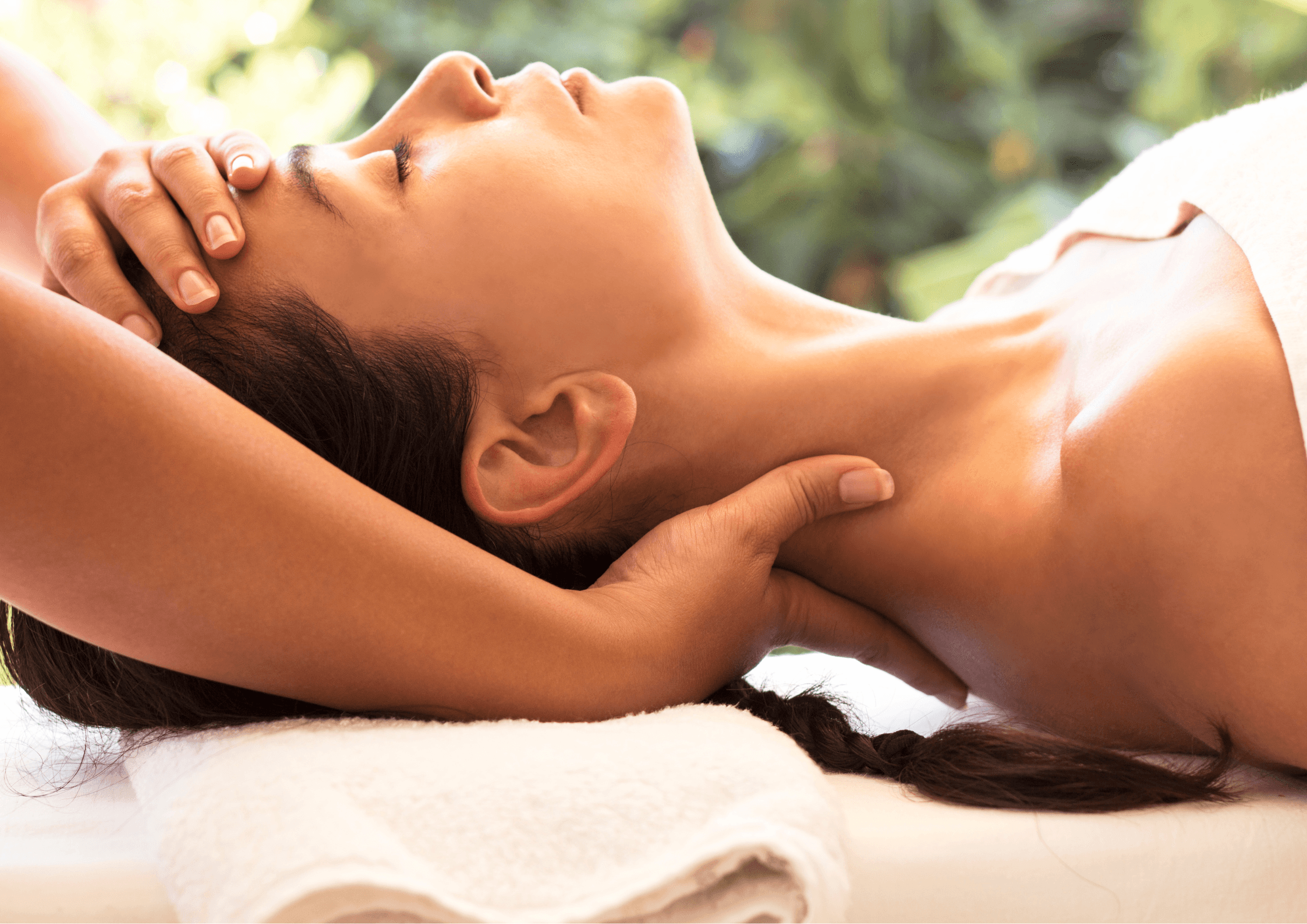
Prenatal & Postnatal Massage
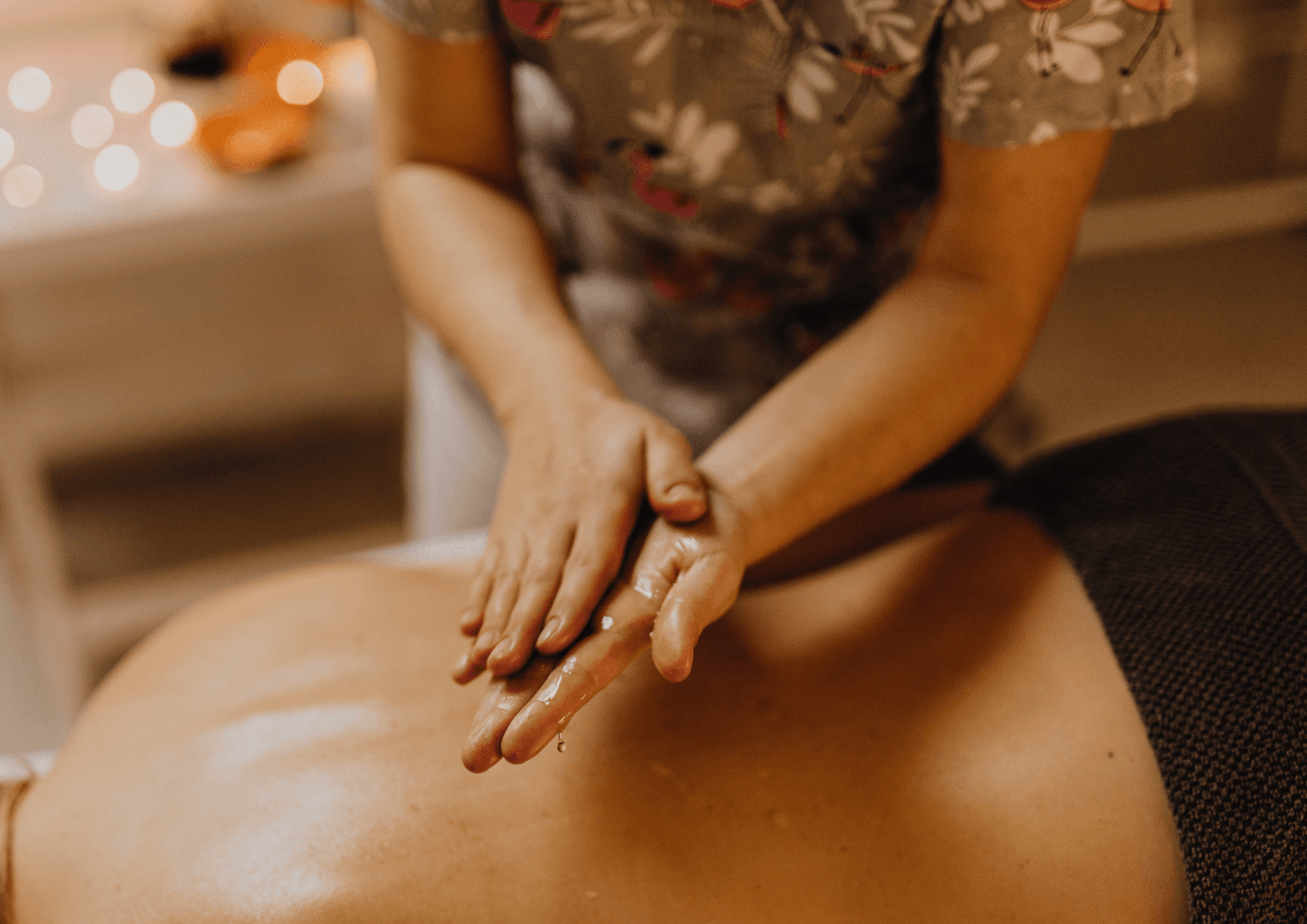
The postpartum period can be challenging for new mothers, both physically and emotionally. As your body heals from childbirth, it's essential to nurture yourself with self-care practices that promote relaxation, pain relief, and recovery. One of the most beneficial treatments for new mothers is postnatal massage. Not only does it help with muscle tension, swelling, and emotional well-being, but it also aids in your physical recovery after birth. But, is postnatal massage safe? And when can you begin?
Understanding Postnatal Massage: What is It?
Postnatal massage refers to therapeutic massage specifically designed for women who have recently given birth. It’s tailored to help the body recover from the stresses and strains of pregnancy and labour, supporting physical healing and emotional well-being during the confinement period. While similar to prenatal massage, postnatal massage is adjusted to meet the specific needs of the postpartum body, ensuring that it’s both effective and safe.
Is Postnatal Massage Safe?
In short, yes, postnatal massage is generally safe, but there are some important considerations. It's essential to know when and how to incorporate postnatal massage into your recovery plan, and this depends on several factors, including your type of delivery (vaginal birth vs. C-section) and any complications you may have experienced during or after childbirth.
For example, women who have had a C-section may need to wait longer before receiving a massage, as the incision site requires proper healing. On the other hand, if you had a vaginal birth without complications, you can typically start postnatal massage a few weeks after delivery.
When Can You Start Postnatal Massage?
The timing for starting postnatal massage depends on several factors, such as the nature of the delivery and your overall health. Here’s a general timeline:
1. Vaginal Birth (Without Complications)
If you had a vaginal birth without any complications, you can usually start postnatal massage around 2 to 4 weeks postpartum. During this time, your body has begun the initial stages of healing, and gentle massage techniques can help release muscle tension and improve circulation.
2. C-Section Birth
If you had a C-section, it’s crucial to wait until your incision site has healed before starting postnatal massage. Most healthcare providers recommend waiting about 6 to 8 weeks before engaging in massage therapy. This gives your body enough time to heal and reduces the risk of irritating or injuring the scar tissue. Once cleared by your doctor, you can begin with gentle, light massage and avoid direct pressure on the incision site until it has fully healed.
3. Complications During Delivery
If you experienced complications during delivery, such as excessive bleeding, pelvic issues, or preeclampsia, it’s important to speak with your doctor before starting postnatal massage. Your healthcare provider can guide you on when it’s safe to begin massage therapy and recommend the best types of techniques for your recovery.
Postnatal Massage Techniques: What to Expect
Postnatal massage focuses on areas of the body that have been under the most stress during pregnancy and childbirth. These include the lower back, shoulders, neck, abdomen, and legs. The techniques used are gentle, effective, and designed to promote healing without causing any harm to the body. Here are some techniques commonly used in postnatal massage:
1. Swedish Massage
The Swedish massage technique is gentle and soothing, making it ideal for new mothers. It involves long, flowing strokes that relax tense muscles, increase circulation, and promote overall relaxation. For new mothers dealing with stress and muscle tightness from holding the baby or breastfeeding, Swedish massage can offer great relief.
2. Deep Tissue Massage
While deep tissue massage is typically more intense, it can be beneficial for mothers experiencing chronic muscle tension, particularly in the lower back, hips, and shoulders. However, deep tissue techniques should be used cautiously and only after the initial recovery period—usually 6 to 8 weeks postpartum.
3. Lymphatic Drainage Massage
After childbirth, your body may experience swelling, particularly in the feet, ankles, and hands. Lymphatic drainage massage uses light, rhythmic strokes to stimulate the lymphatic system, helping to flush out excess fluids and reduce swelling. This technique is safe to start as soon as you're cleared to begin massage therapy.
4. Abdominal Massage
For women who have had vaginal births, gentle abdominal massage can be very helpful in restoring tone to the muscles of the abdomen. This technique also aids in digestion, which can often be sluggish after delivery. Abdominal massage should be done with care and should never involve direct pressure on the incision area for C-section mothers until healing is complete.
5. Pelvic Floor Massage
Pelvic floor massage can help restore the health and strength of the pelvic floor muscles, which may have been weakened during labor and delivery. A trained therapist can guide you through exercises and gentle massage that promote healing in this area, which is essential for bladder control and sexual health post-birth.
The Role of Your Confinement Nanny
During the confinement period, many new mothers find that having a confinement nanny can be extremely beneficial. A confinement nanny is a specially trained caregiver who helps new mothers during their postpartum recovery by providing physical and emotional support.
Additionally, a confinement nanny can help you:
Manage your rest and recovery by providing support in the early days post-birth.
Prepare nutritious meals that support healing and lactation.
Encourage bonding time with your newborn while you recover.
Offer guidance on safe exercises and stretches to support your recovery.
Is Postnatal Massage Right for You?
Before starting postnatal massage, always consult your healthcare provider, especially if you had a C-section or experienced complications during delivery. Once you receive medical clearance, postnatal massage can be a fantastic way to support your recovery and well-being during the confinement period.
A confinement nanny can help you look after your baby while you have your massage. With the right care and support, postnatal massage can make a significant difference in how you feel physically and emotionally, helping you to recover faster and enjoy the early stages of motherhood with less stress.
Postnatal massage
is a safe and effective way to support your recovery after childbirth, but it's important to understand the right timing and techniques for your body. With the help of a qualified confinement nanny and a certified massage therapist, you can enjoy the benefits of massage while prioritizing your health and recovery during the confinement period. Remember to always listen to your body, and don’t hesitate to seek professional advice to ensure you’re taking the best care of yourself in your postpartum journey.
Everything you need to know about joining Aunty SG as a babysitter or confinement nanny.